The Complete Stoneware Dinnerware Buying Guide
Everything you need to know to choose the perfect stoneware dinnerware for your home. From quality indicators to price ranges, make an informed decision.
Last updated: March 2026 | 12 min read
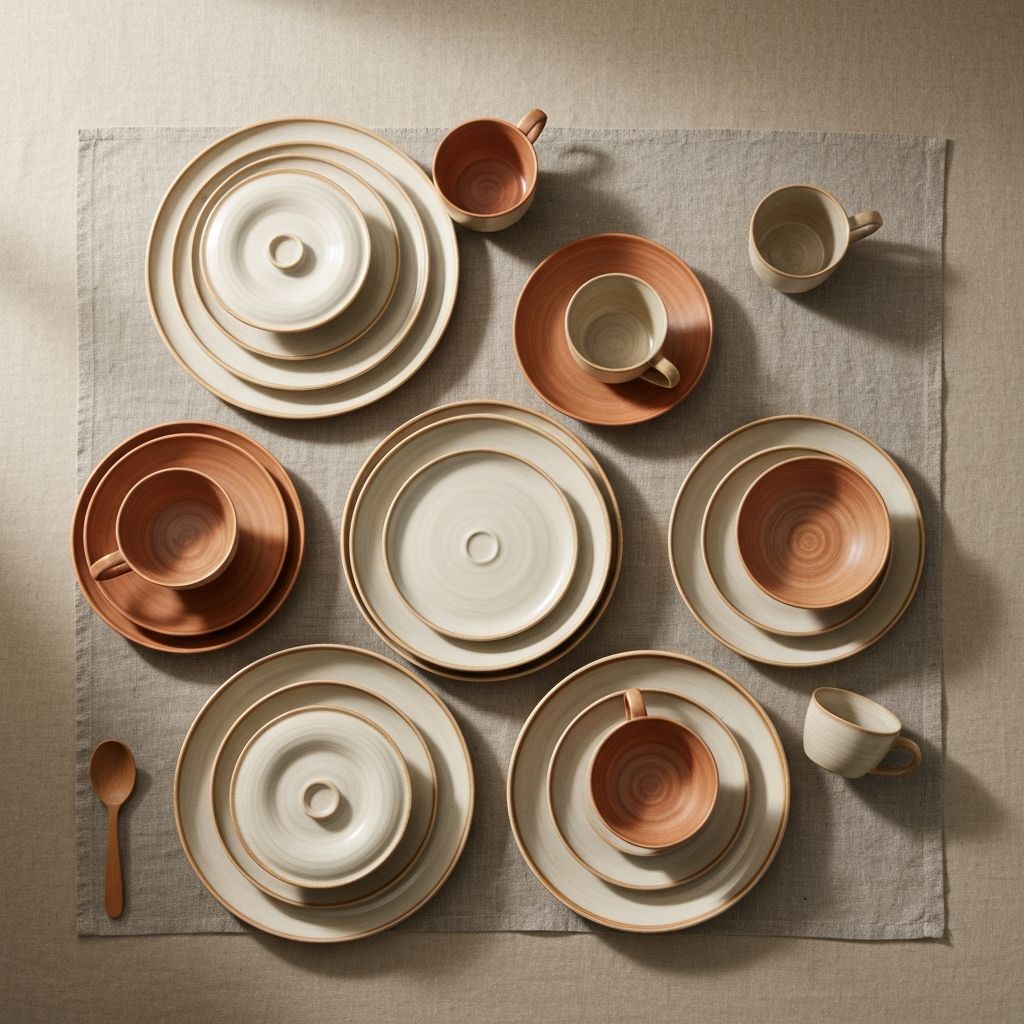
4 Key Factors When Buying Stoneware
Firing Temperature
Quality stoneware is fired between 2,100-2,300°F. Higher temperatures create denser, more durable pieces.
Look for products that mention high-fire stoneware or firing temperatures in their descriptions.
Glaze Quality
Good glazes should be smooth, food-safe, and resistant to crazing (tiny cracks). Lead-free and cadmium-free are essential.
Avoid extremely cheap imports that may not meet FDA food safety standards.
Price vs Value
Budget sets ($40-70) work for light use. Mid-range ($80-150) offers best everyday value. Premium ($150+) for heirloom quality.
Calculate cost-per-piece and consider durability for true value assessment.
Durability
Quality stoneware should last 25+ years with proper care. Look for chip-resistant construction and warranty coverage.
Check reviews for long-term durability feedback from customers who have used sets for years.
Quality Checklist: What to Inspect
Before purchasing, check each piece for these quality indicators. If buying online, read reviews specifically mentioning these factors.
- Uniform weight and thickness across pieces
- Smooth glaze without bubbles or rough spots
- Even color distribution (unless reactive glaze)
- Flat base that sits level on a surface
- No visible cracks or crazing in the glaze
- Comfortable to hold with smooth edges
- FDA-compliant and lead-free certification
- Dishwasher and microwave safe markings
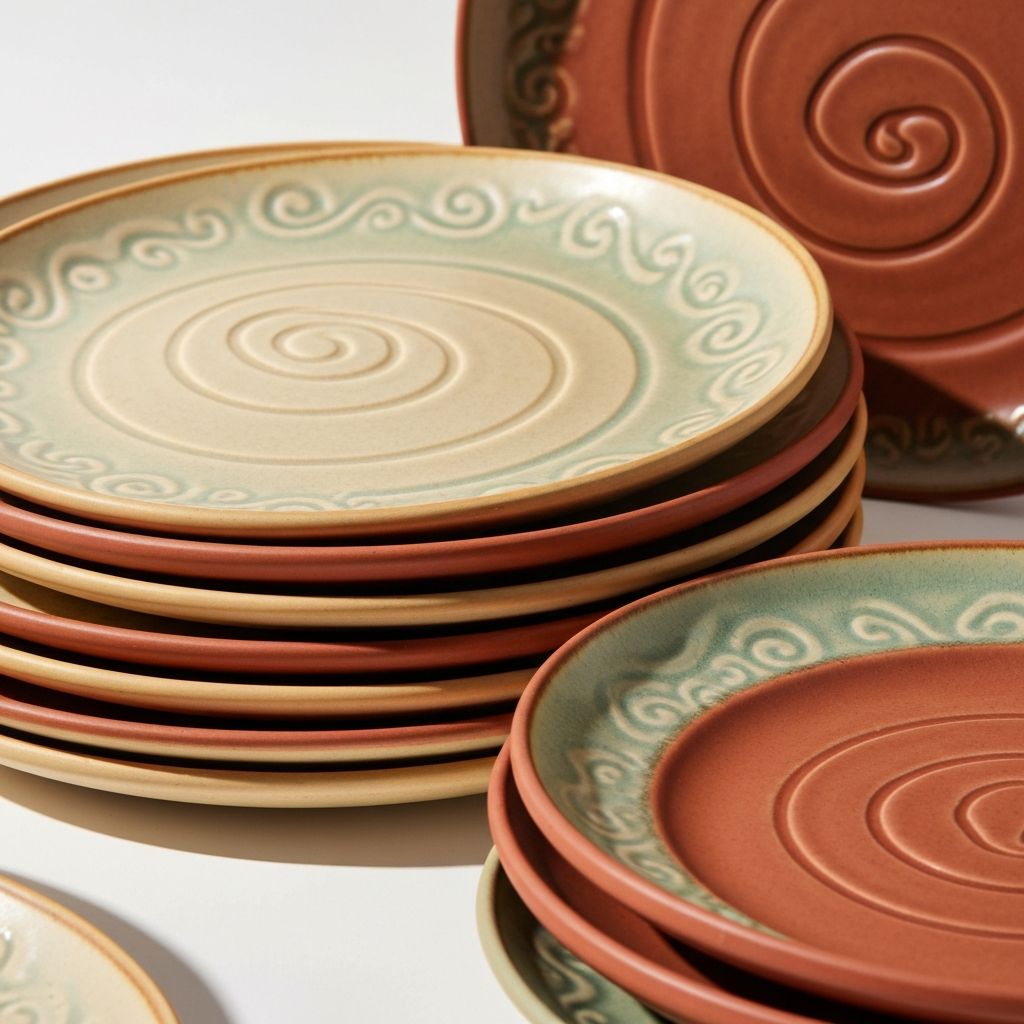
Stoneware Price Ranges Explained
Budget ($40-70)
Pros
- + Affordable entry point
- + Good for occasional use
- + Easy to replace
Cons
- - May chip easier
- - Simpler designs
- - Less consistent glazes
Best for: Students, first apartments, casual dining
Mid-Range ($80-150)
Pros
- + Better durability
- + More design options
- + Good warranties
Cons
- - Still mass-produced
- - Limited customization
Best for: Families, everyday use, most homes
Premium ($150-300)
Pros
- + Exceptional quality
- + Unique designs
- + Excellent warranties
Cons
- - Higher investment
- - More care required
Best for: Design enthusiasts, wedding registries
Artisan ($300+)
Pros
- + Handcrafted uniqueness
- + Heirloom quality
- + Support small makers
Cons
- - Highest price point
- - May not be dishwasher safe
Best for: Collectors, luxury dining, gifts
Stoneware vs Other Materials: A Quick Comparison
Understanding how stoneware compares to other dinnerware materials helps you make the right choice. Here is a quick breakdown:
- Stoneware vs Porcelain: Stoneware is more chip-resistant and casual; porcelain is more refined but fragile.
- Stoneware vs Earthenware: Stoneware is denser and more durable; earthenware is more porous and less practical.
- Stoneware vs Melamine: Stoneware is real ceramic with better aesthetics; melamine is plastic and cannot go in microwave.
- Stoneware vs Bone China: Stoneware is casual and durable; bone china is formal and delicate.
Top Brands to Consider
We recommend looking at these established stoneware brands known for quality and value:
- Le Creuset: French heritage, premium pricing, exceptional quality
- Denby: British craftsmanship since 1809, excellent durability
- Gibson: Affordable everyday options with good variety
- Mikasa: Contemporary designs at mid-range prices
- Pfaltzgraff: American classic patterns, good value
Ready to Shop?
Browse our curated selection of top-rated stoneware dinnerware on Amazon. We have done the research so you do not have to.
Shop Best Stoneware on Amazon